top of page
KOREA AIKIDO UNION
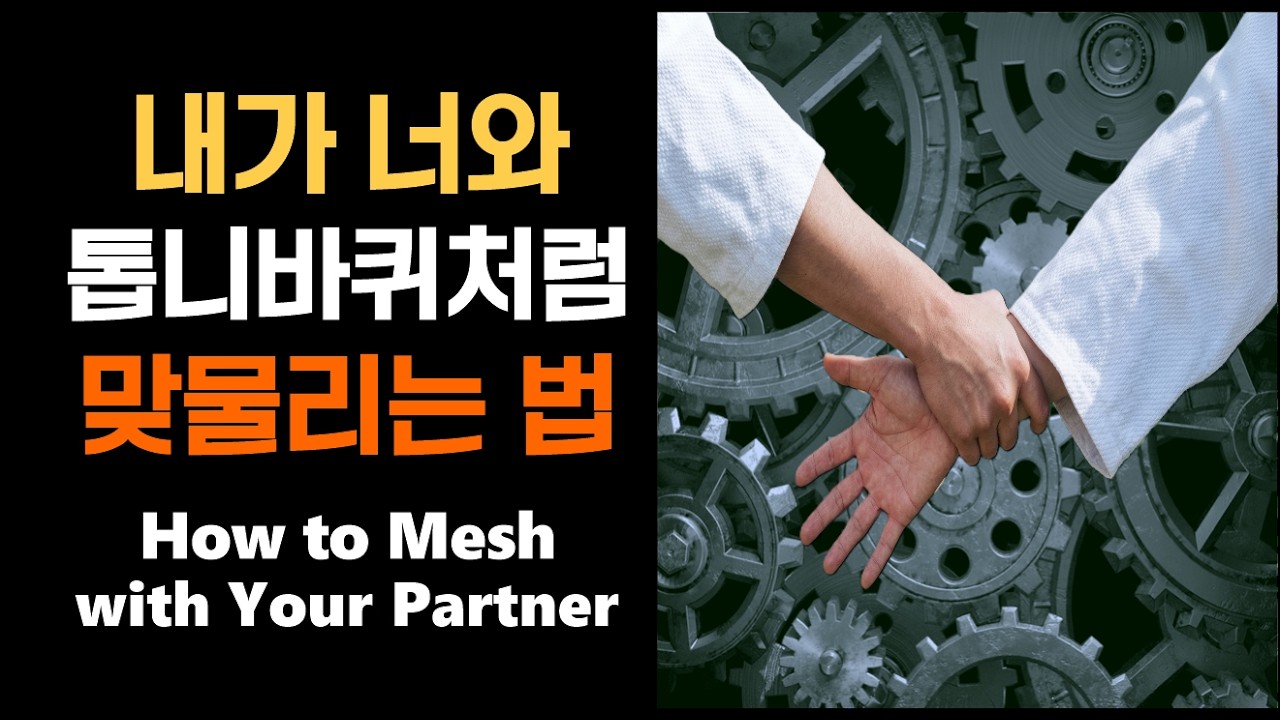
How to Mesh with Your Partner Like Gears: Aikido Tenkan-ho (Turning Method)
In this video, Aikido Samsungdang covers tenkanhō (転換法, turning method), a kata for learning how to connect with your partner. We have been practicing it with more focus recently, and we see it as a training method for developing musubi (結び). Tenkanhō is also referred to as tai no henkō (体の変更) or tai no henka (体の変化). To be honest, I did not work on tenkanhō very often in the past. However, through traveling back and forth to Japan, I came to reflect more deeply on the meaning
Apr 3
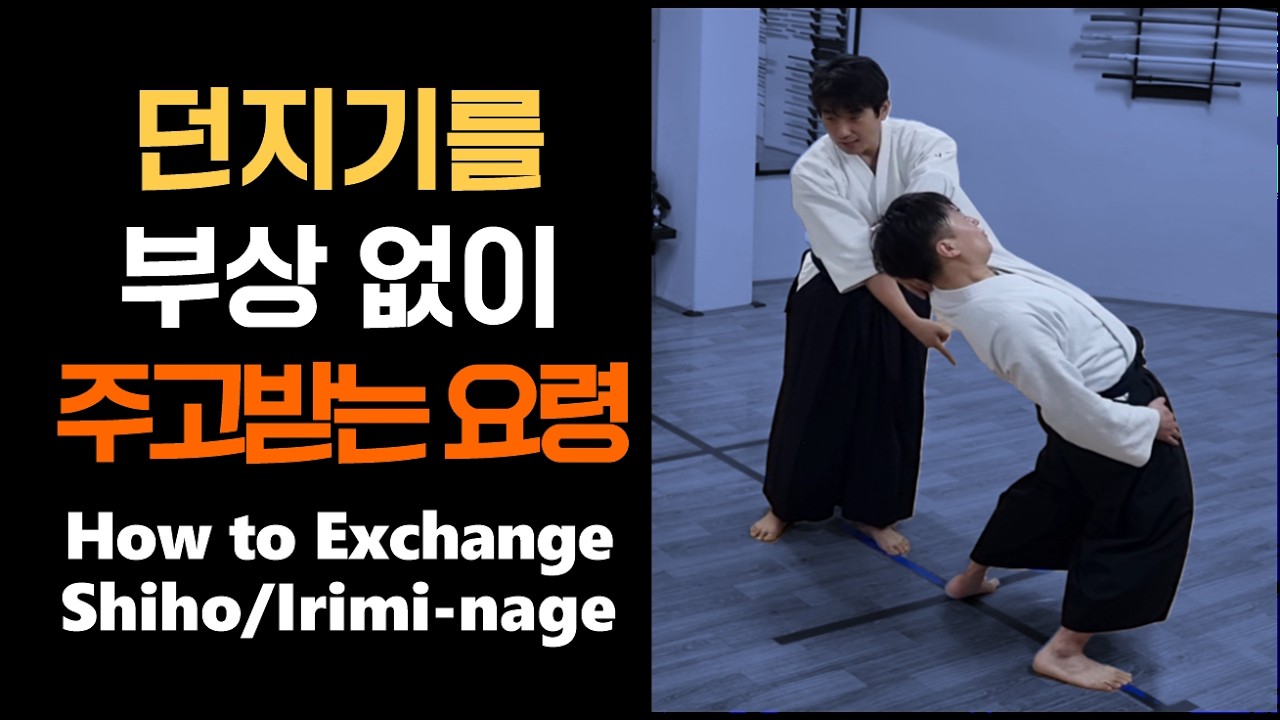
Tips for Giving and Receiving Throws Without Injury: Shihonage and Iriminage
Today's video from Aikido Samsungdang covers "Tips for giving and receiving throws without injury." While many are familiar with how to apply a technique (or how to break a joint), they often overlook how to safely improve their skills alongside a partner. I believe the most challenging aspect of Aikido training lies in the premise that "you must not injure your partner, yet the technique must be applied accurately." To be honest, this theme is deeply connected to my professi
Mar 20

How to Receive Joint Locks Safely
In this video, Aikido Samsungdang focuses on the safety and role of uke (the receiver). I believe uke should protect their own safety while also serving as a training partner who helps tori (the one applying the technique) develop correct technical habits. I also believe that receiving techniques in a straightforward, simple way—grounded in basic ukemi—helps practitioners improve both safety and skill the most. In particular, uke should practice receiving tori’s strong techni
Mar 13
bottom of page